home | contact us | f.a.q
Book Now Istanbul
Airports
Istanbul
Fairs
Istanbul
Formula 1
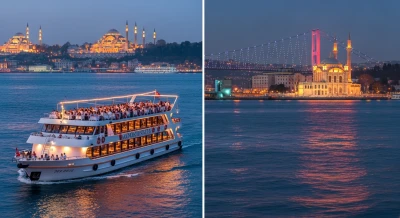
Cruise Ship
Transfer
Istanbul
Hotels
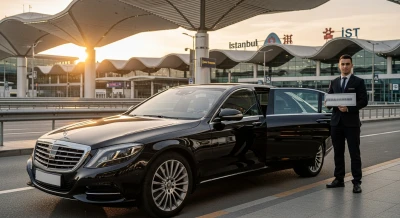
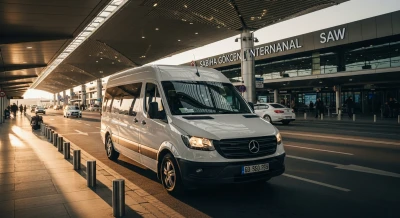
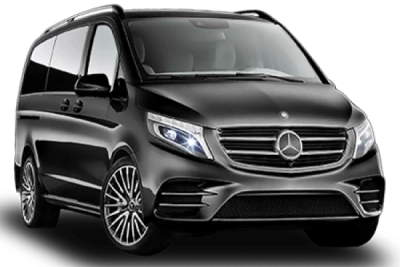
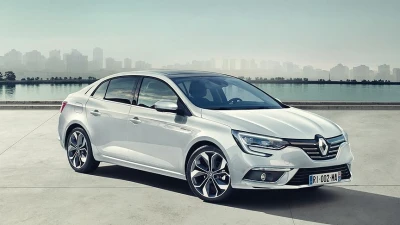
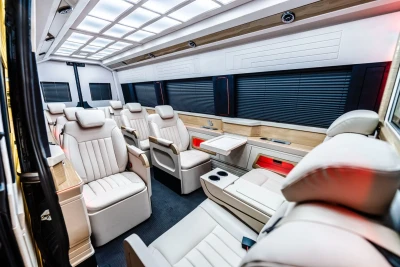
Istanbul Airports Transfer Service Book Online
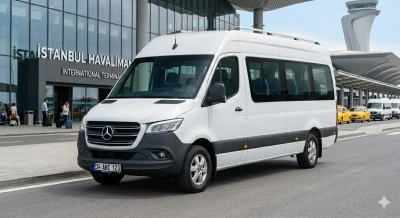
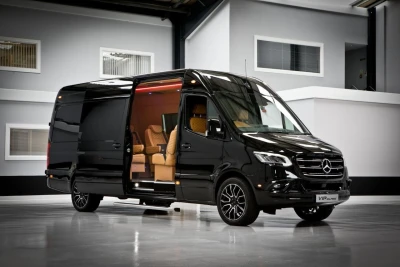
Airport Shuttle Service
Guarantee Departure

clik for timetable & rate

TOUR WITH US
Full Day City Tour with English Speaking Guides & Drivers
Including; Old city, Grand Bazaar, Eyup Sultan, Piyer Loti & Golden Horn, Drive to Sariyer near the Bosphorus and Çamlica Hill...more


contact@istanbulshuttles.com
Tel: +90 535 229 90 93
+90 539 224 79 96
(24 HOURS PHONE)
transferistanbul@hotmail.com
 
    ISTANBUL


Istanbul is such a diverse city that it's almost impossible to split it up into definable districts. The only real distinctions that can be made between districts is that between the European Asian sides, which are separated by the Bosphorus and the peninsula lying between the Golden Horn and the Sea of Marmara. Stretching from the Black Sea, along the Bosphorus to the Sea of Marmara on the edges of two continents, Istanbul has become a city of unlimited scope.
CITY INFO TOURS TRANSPRORTATION
MAP OF ISTANBUL PLACES TRAVEL TIPS
ISTANBUL AIRPORTS ISTANBUL WEATHER ISTANBUL
partner   -     Istanbulshuttles.com © 2007


ISTANBUL CITY INFO
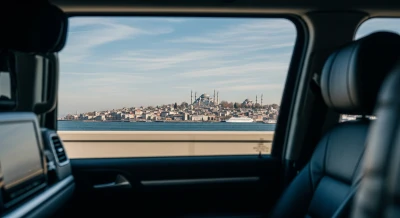
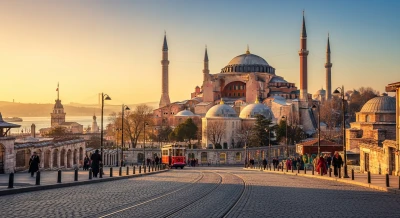
Straddling the Bosphorus, its skyline studded with domes and minarets, İstanbul is one of the truly great romantic cities. Its history tracks back from Byzantium to Constantinople to its place at the head of the Ottoman Empire. Today it hums as Turkey's cultural heart and good-time capital.

The splendid city of Istanbul has many unique and fascinating features. It is the only city in the world reaching across two continents, with its old city in Europe and modern Istanbul situated in Asia, separated by the Bosphorus Strait. It is also unique in having had capital status during two successive empires, Christian Byzantine and Islamic Ottoman, and the legacy from both is visible in the modern city today.

Istanbul's location on the water made it a much coveted site as a commercial shipping port and military lookout, and as capital of the Roman Empire, Constantinople, as it was known, became extremely desirable as a centre of world trade, until Mehmet the Conqueror claimed it for the Ottoman Empire in 1453 and it became the imperial seat of the sultans. After the War of Independence the capital was moved to Ankara, but Istanbul still remains the commercial, historical and cultural heart of Turkey today.

The charm and character of Istanbul lies in its endless variety and jumble of contradictions. Its fascinating history has bequeathed the city a vivid inheritance of Byzantine ruins, splendid palaces, ancient mosques and churches, hamams (bath-houses) and exotic bazaars. Modern Istanbul exudes trendy bars and nightclubs, western boutiques, office blocks, and elegant suburbs. The call to prayer heralds the start of each day and the city comes to life with over 11 million residents forming a chaotic social and cultural mix of unscrupulous carpet merchants, wealthy shoppers, religiously veiled women and destitute beggars. Joining the noisy throng are over-awed tourists and those capitalising on the tourist trade.


When To Go

The best times of year to visit Istanbul are from April to June and September to October, roughly the months of spring and autumn respectively. During these months, temperatures are in the consistently mild range of 16-25°C (61-77°F) and the humidity is not too bad, plus the crowds aren't as big a nuisance as in the summer months. The wintery months from November to February have the highest rainfall (80-100mm/30-40in per month), and it's when spirits are most likely to be dampened.


ISTANBUL PLACES
Sultanahmet
Most people who come to Istanbul land feet first in Sultanahmet. This peninsular (known as Sarayburnu) juts out at the apex of the Bosphorus, the Golden Horn and the Sea of Marmara. Rich in history, it's a natural magnet to millions of tourists every year. The home of Topkapi Palace, Aya Sophia, the Blue Mosque, Yerebatan, and the Hippodrome, Sultanahmet is filled to bursting with hotels, restaurants, cafes, bars, and souvenir shops as well as a plethora of fascinating museums, mosques, markets and historical sites. The main drag, Divan Yolu, is the heartbeat of the area and there are hundreds of tiny back streets and alleyways in which to explore and discover the history of the old city. The labyrinthine Covered Bazaar near Beyazit University is also on this street.

Eminönü
Situated right on the waterfront on the Golden Horn, Eminönü is the end of the tramline. It is generally buzzing with activity during the day, with street peddlars selling you things you never even knew you wanted. The vast Egyptian Spice Bazaar is the main feature of Eminönü Square and Mimar Sinan's Yeni Camii is a familiar landmark with its minarets standing tall above the general chaos. Ferries to the Asian side and the Princes Islands leave from the huge docks lining the shore. The Sirkeci Train Station is also here: all trains to and from Europe start and finish here.

Beyoglu
A veritable symphony of occident and orient, Beyoglu is the pulsating heartbeat of Istanbul's day and nightlife. Istiklal Street - a paved thoroughfare perpetually swarming with Istanbul's colourful hoi polloi - is at the hub of the metropolis while a maze of narrow winding lanes filled with funky cafes, soulful bars, continental restaurants, historic cinemas, prominent theatres and exclusive shops shoot off in all directions around it. Taksim Square, featuring the impressive Monument to the Republic, heads the parade into Beyoglu's bohemian open-air museum past the Greek Orthodox Aya Triade Church and the French Consulate. A quaint old tramway carries passengers past the Rumeli Han, Cicek Pasaji, Cite de Pera, Atlas Pasaji, Galatasaray Lise, and several elegant consulates to the last stop in Tünel Square. Every year the International Istanbul Film, International Istanbul Music, International Istanbul Theatre and International Istanbul Film Jazz Festivals are held here and in nearby districts. Other annual events include the Bosphorus Festival, Roxy Music Days, Aksanat Jazz Festival and the Blues Festival.

Tünel
This is undoubtedly Istanbul's “Bohemian Quarter", which not so long ago was known as a bad area to hang out in, with its dark deserted streets and creepy abandoned buildings. However, the area has undergone tremendous development in recent years. Tiny cafes, live music venues, open-air restaurants and bars now quietly cohabit with art galleries, antique bookshops and music stores.

Karaköy
Around the first century BC, there was a tiny village situated on the mini peninsula of the Golden Horn where the modern suburb of Karaköy stands today. These days, Karaköy is a bustling port with a lively fish market, a hectic ferry terminal and a shady nightlife; an intriguing landscape at the mouth of the Golden Horn. Scores of locals fish from the Galata Bridge and an array of vendors peddle all kinds of goods along the sidewalks. A vast underground market filled with every electrical appliance you could ever imagine provides safe passage under the busy road to the entrance of Tünel. Up the hill is Bankalar Caddesi, an historical area filled with banks and art galleries and do-it-yourself stores. All visiting international cruise ships dock in Karaköy.

Galata
The Genoese-built Galata Tower is the most central point here. The renowned Turkish film Istanbul Beneath My Wings tells the story of Hazarfen Celebi who flew from this tower with his hand-made wings. The main street, Galip Dede Caddesi, is a hive of activity with shops selling all manner of musical instruments, antique bookshops and tiny local restaurants. The Whirling Dervishes have a home here at the Mevlana Evi, the Goethe Institute provides locals with a good dose of culture and art and there are countless mosques, churches and synagogues hidden away in obscure side streets.

Golden Horn
The most interesting part of the Golden Horn district comprises of the stretch of land between Eminönü and Ayvansaray, up as far as Eyüp. The Selimiye Camii, the Fethiye Camii and St Steven's Church grace the shoreline while the Chora Church and Mihrimah Camii are further inland. The old city walls start at Ayvansaray and snake overland to Yedikapi.

Beşiktaş and Ortaköy
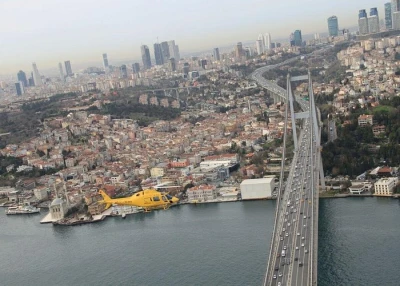
Beşiktaş – which is atcually dismally devoid of places to paint the town red in - is at the center of the three-way fork that leads up the hill to Levent. Ortaköy, on the other hand, is a bustling suburb on the waterfront. Bubbling over with cafes, bars, restaurants and tea houses, this area is a popular weekend hangout for locals. Ortaköy's back streets are buzzing with handicraft stalls filled with trinkets and souvenirs on summer weekends. This part of town is renowned for its mosque, church and synagogue within close quarters. The Bosphorus Bridge spans the waterway overhead.

Bosphorus: Arnavutköy to Sariyer
The Bosphorus shore on the European side is lined with Ottoman-style mansions, high society hangouts and fish restaurants. There is only one main road and it follows the shoreline all the way to Zekariyeköy, a popular weekend getaway for the citybound.

Sea of Marmara Coast: Kumkapi to Yedikule
Kumkapi is a distinctly touristy area filled with over-priced fish restaurants and not much else besides views of the sea. The coast road heads out toward the airport past the old city walls and Yediküle Fortress.

Asian Side and Bosphorus: Kadiköy to Anadolu Hisari
Kadiköy is a quieter version of Beyoglu with a more subdued atmosphere. The tiny cobbled lanes are filled with restaurants, cafes, bars, cinemas and shops. The coast road snakes past Üsküdar, a pretty suburb with plenty of fine examples of Mimar Sinan's work, including the Mihrimah Sultan and Şemsi Paşa Camiis. Selimiye Barracks (where Florence Nightingale worked during the Crimean War) is up on the hill. Heading toward Anadolu Hisari, the road winds along the shoreline (which is less built up than that of the European side). There are plenty of parks and trees, outdoor cafes and restaurants and a string of historical buildings to explore including Beylerbeyi Palace, Kuleli Mosque, Kuleli Naval Officer's Training School, Küçüksu Park and Kiosk and Anadolu Hisari.

Princes Islands
There are four islands in the Sea of Marmara that attract crowds escaping the summer heat: Buyukada, Heybeliada, Kinaliada and Burgazada. Ferries leave from Sirkeci, Kadiköy and Bostanci regularly. There are no cars on the islands - the transport here is horse-drawn carriages. All offer plenty of places to eat and sleep, and there are Greek monasteries at the top of the hills on Buyukada and Heybeliada.

Harbiye-Nisantasi-Sisli-Mecidiyeköy-Levent
The Military Museum in Harbiye is a good landmark from which to begin exploring Istanbul's business life. Nisantasi is the central shopping district while Sisli is strictly a business district all the way to Levent and beyond to Maslak. There is now an underground metro linking Taksim with Fourth Levent.

Recreation Areas
Islands, Yildiz Park, Emirgan Grove, Gülhane Park, Bosporus, Strait, Belgrad Forest, Atatürk Forest, Çamlica, Tasdelen Beykoz Meadow, Karakulak, Polonezköy, Küçük and Büyükçekmece Lakes, Kumburgaz, Kilyos, Piyerloti Coffee House and Sile are the recreations that should be seen.

Beaches
There are beaches in Büyükada, Beykoz, Poyrazköy, Büyükçekmece, Florya, Moda, Kilyos and Sariyer.


ISTANBUL TRANSPORTATION
Istanbul is a large, congested, bustling city. You'll enjoy your visit much more if you know how to get around before you arrive. Click here for maps of Istanbul & Region.

Airports Akbil Transit Pass City Bus Intercity Bus
Tram Metro Tünel Füniküler
Suburban Trains Ferryboat "Sea Bus" Catamaran Ships & Cruise Lines
Taxi Dolmus Minibus On Foot


AIRPORTS
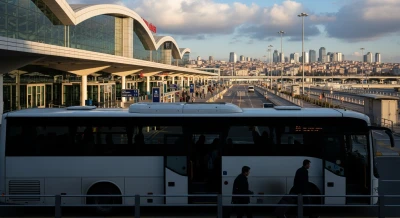
Istanbul has two airports, the major Atatürk International Airport near Yesilköy 23 km (14 miles) west of the city center, reachable by Metro (map); and Sabiha Gökçen Airport on the east side of the Bosphorus. Here's how to travel from one airport to the other.

AKBIL TRANSIT PASS
This magic little transit pass gets you cheaper rides on every sort of public transport in Istanbul: Metro, tram, bus, ferry, train.

CITY BUS
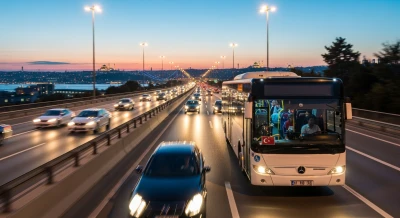
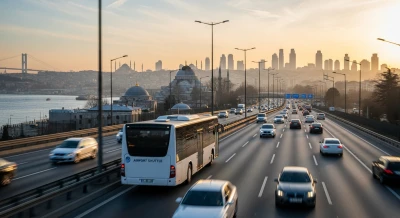
City bus routes get you to some places you'll want to visit. Buy tickets (less than US$1) before boarding at kiosks (often white fiberglass cubes) labeled "I.E.T.T" and/or "Bilet" (ticket), or use the Akbil prepaid electronic fare system.

INTERCITY BUS
Istanbul has two intercity bus terminals, the major Istanbul International Bus Terminal (Büyük Otogar) at Bayrampasa/ Esenler on the western side of the Bosphorus (reachable by Metro: map), serving the entire country as well as Greece, Bulgaria, the Balkans and Europe; and the Harem Otogar on the eastern shore of the Bosphorus north of Haydarpasa Station, serving Anatolian Turkey and the Middle East.

TRAM
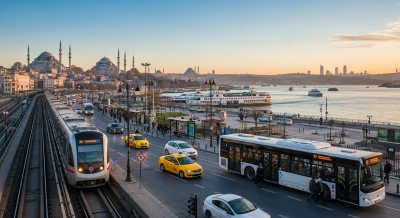
You'll find Istanbul's two tram lines useful (map), even though they're as different as can be. Although the nostalgic 19th-century Istiklal Caddesi tram is more fun, the Eminönü/Kabatas-Zeytinburnu tram is the more useful, and can help you travel between the heart of the tourist district at Sultanahmet Square and the Otogar (bus terminal) and/or Atatürk Airport.

METRO
Two lines of Istanbul's Metro system are in operation (map). The most useful for foreign visitors is the light-rail line connecting Atatürk Airport and Aksaray Square via Istanbul's mammoth Otogar (intercity bus station), at which you can board a bus to any part of Turkey or to virtually any country within 1000 miles (1600 km) of Istanbul. Change to the tram at Zeytinburnu to reach Old Istanbul. Also, a standard-gauge Metro line goes north from Taksim Square to the commercial districts.

TÜNEL
Tünel is Istanbul's little 19th-century two-station underground train connecting Karaköy (Galata) and the southwestern end of Istiklal Caddesi. It's convenient and fun.

FÜNIKÜLER
Inaugurated in 2006, the Füniküler (underground funicular) connects Taksim Square and Kabatas on the Bosphorus shore. At Kabatas you can board a ferryboat, sea bus, or the Zeytinburnu tram.

SUBURBAN TRAIN
Suburban commuter trains depart Sirkeci Station, trundle around Seraglio Point and continue along the Sea of Marmara shore stopping at the Yenikapi Ferry Terminal (for intercity car and passenger ferries across the Sea of Marmara) and at Yesilyurt near Atatürk International Airport. Slightly better suburban trains depart Haydarpasa Station and travel along the northern shore of the Sea of Marmara on the Asian side of the Bosphorus.

FERRYBOAT
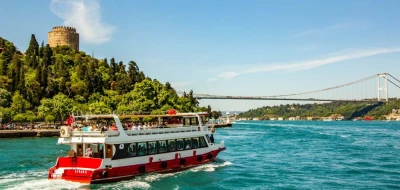
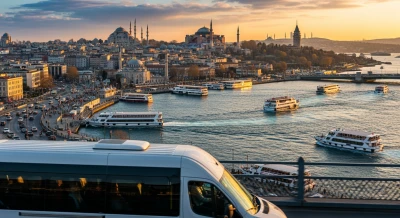
Traditional white IDO ferries and private TurYol ferries serve shorter water routes, and are the most enjoyable way to get around Istanbul. Special daily Touristic Bosphorus Ferries run from Eminönü's Dock 2 up the Bosphorus almost to the Black Sea several times daily. Both catamaran seabuses and ferryboats travel to the Princes Islands near Istanbul in the Sea of Marmara.

"SEA BUS" CATAMARAN
Sleek modern passenger catamarans zoom around the city at rush hour, and out to the Princes Islands several times daily. There are even Sea of Marmara routes to Yalova and Bandirma on the sea's southern shore.

SHIPS & CRUISE LINES
Foreign cruise ships and international ferries dock at the Yolcu Salonu in Karaköy at the northern end of the Galata Bridge over the Golden Horn, right in the center of the city.

TAXI
Thousands of yellow taxis, most powered by clean-burning natural gas, throng Istanbul's streets. You'll find them useful and not overly expensive.

DOLMUS MINIBUS
Dolmus means "filled," which is what the vehicle needs to be before it departs on its customary route. The dolmus (DOHL-moosh) is Turkey's shared taxi or minibus. You may find them helpful occasionally in Istanbul.

ON FOOT
The best way to get around Istanbul's compact medieval core is on foot. Traffic is often so heavy, and traffic patterns so circuitous, that you can often walk somewhere faster than riding.


MAP OF ISTANBUL


ISTANBUL TRAVEL TIPS
When to Visit - Arts and Events
This is a city of domes and mosques with winding, narrow streets lined with stalls and markets; and although no longer Turkey's capital, it is still very much the cultural, commercial and tourist centre of the country. Despite its ancient heritage, and sometimes slightly tired exterior, the city has a modern, vibrant life mixed with an intriguing combination of east and west.

Istanbul Dining
Istanbul has a wide range of restaurants, many of which serve international as well as Turkish cuisine. This local food is a fabulous mixture of Shish kebab (skewer-grilled lamb), fresh fish and sweet, often honey soaked, desserts such as baclavar. One of the highlights of eating in Turkey is being able to sit right next to the grill and watch your food being prepared. Turkish coffee (kahve) is worth a try, but you must tell the waiter how sweet you would like it, when you order, as sugar is added while it is made.

Istanbul Tipping Advice
Tipping in the more expensive restaurants tends to be expected, with around 5 to 10 percent being the usual amount. Taxi drivers do not have to be tipped but it is local practice to round up the fare to the nearest 100 TRL. Hotel porters will expect a tip of around 2 or 3 percent of the cost of your room.


ISTANBUL WEATHER
ISTANBUL ISTANBUL ISTANBUL
...more ISTANBUL WEATHER


ISTANBUL CITY INFO


ISTANBUL CITY INFO


ISTANBUL CITY INFO


ISTANBUL CITY INFO